
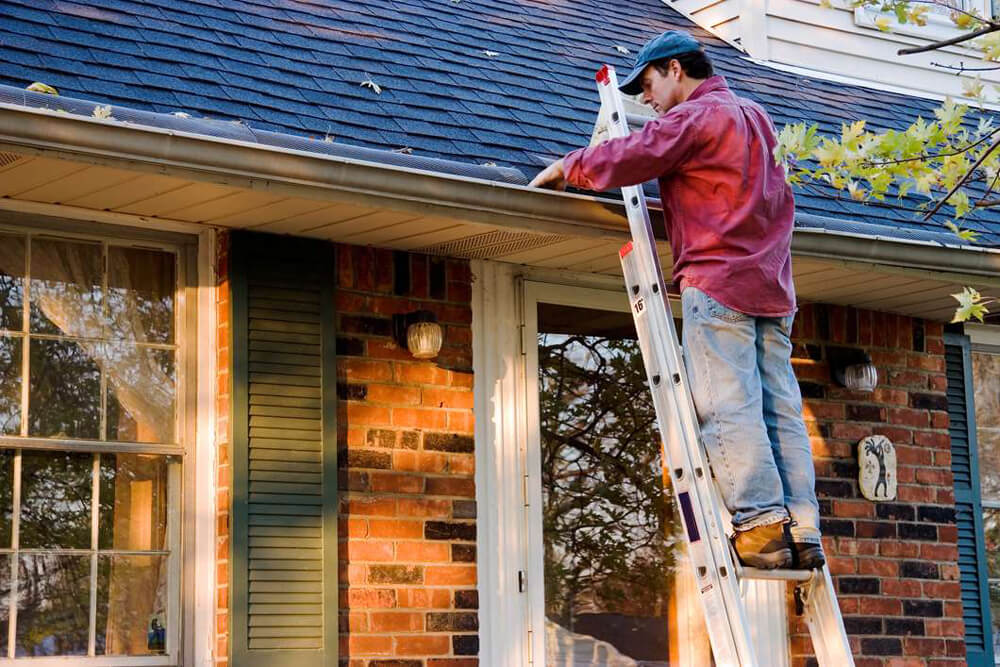
Spring Roof Maintenance Checklist for Homeowners
Roofing systems take on added stress through the winter months.
Snow load, ice, and temperature swings wear materials down. By spring, that impact starts to surface. The problem is, most of it isn’t obvious until it turns into something bigger.
That’s why a spring roof maintenance checklist matters. Spring gives you a window to catch problems early — before they turn into leaks or expensive repairs.
For homeowners in Fort Wayne, this is when a closer look matters.
Why Spring Roof Maintenance Matters
Winter is the hardest season on a roof. Materials shift with temperature changes. Ice dams push water where it shouldn’t go. Snow melts and refreezes in the same spots, wearing things down
That kind of stress doesn’t always cause immediate failure — but it does create weak points.
Spring is when those weak points start to show up as signs of roof damage.
If you catch them early, you’re usually dealing with a repair. If you don’t, you’re often looking at something much bigger.
Common Signs of Roof Damage After Winter
You don’t need to be on a ladder to catch problems. Most early signs of roof damage show up from the ground or inside the house.
Here’s what to look for:
- Missing or curling shingles
- Dark patches where granules are gone
- Shingles that look uneven or lifted
- Debris sitting in roof valleys
Inside, pay attention to:
- Water stains on ceilings or walls
- Peeling paint near rooflines
- Musty smells in the attic
These aren’t things to monitor for months — they’re signs something needs attention now.
Your Spring Roof Inspection Checklist (From the Ground)
A basic roof inspection checklist doesn’t require climbing on your roof — and it shouldn’t.
Start with a ground-level walkaround:
- Look at the roofline — does anything appear sagging or uneven?
- Scan shingles for discoloration, misalignment, or lifted edges
- Check gutters for granule buildup or debris
- Look at siding and trim for water staining
- Go into the attic and check for moisture, mold, or daylight
This kind of inspection won’t catch everything, but it will catch the obvious issues — and those are the ones that tend to get worse fast.
Gutters, Drainage, and Water Control
If water isn’t draining, problems follow.
Gutters are a critical part of any roof maintenance checklist — and one of the most commonly ignored.
After winter, it’s common to see:
- Gutters clogged with debris
- Sections sagging from ice weight
- Seams pulling apart
- Water pooling instead of draining
When that happens, water backs up under shingles — and that’s where real damage starts.
At a minimum, clean your gutters in early spring. If you’ve got trees nearby, check them more often.
High-Risk Areas Homeowners Shouldn’t Ignore
Some parts of your roof take more abuse than others.
The most common failure points are:
- Flashing around chimneys and vents
- Roof valleys where water concentrates
- Seals around penetrations
These areas handle the most water and the most movement during temperature swings.
From the ground, you might not see a problem — but these are often where issues start.
DIY vs. Professional Roof Inspection
There’s a point where a visual check isn’t enough.
Homeowners can safely handle:
- Cleaning gutters
- Clearing visible debris
- Checking attic conditions
- Doing a ground-level inspection
But if you notice anything off — missing shingles, signs of leaks, sagging — it’s time to bring in a professional.
A professional roof inspection looks at the full system:
- Shingles
- Flashing
- Ventilation
- Structural integrity
It’s about catching issues early, before they turn into major repairs.
How Often Should You Have Your Roof Inspected?
A common question is: how often should you have your roof inspected?
For most homes:
- Once per year is a good baseline
- After major storms
- Anytime you notice signs of damage
You may need more frequent inspections if:
- Your roof is older
- You have heavy tree coverage
- Your home takes on a lot of weather exposure
Regular inspections are one of the easiest ways to extend the life of your roof.
Simple Roof Maintenance Tips That Extend Roof Life
A few simple habits go a long way.
Key roof maintenance tips:
- Keep gutters clean
- Remove debris from valleys
- Address small issues quickly
- Maintain proper attic ventilation
And just as important:
- Don’t power wash shingles
- Don’t walk on the roof incorrectly
- Don’t ignore small problems
Most major roofing issues start small. The difference is whether they’re dealt with early.
When to Act on Roof Issues
If you see a problem, don’t wait.
Roof issues don’t stay the same — they get worse. What looks like a small repair now can turn into a bigger job fast if it’s ignored.
Acting early is almost always the more cost-effective option.
When to Schedule a Professional Roof Inspection
If anything you’re seeing raises questions, it’s worth having it checked.
A professional roof inspection makes sense if:
- You’ve noticed visible damage
- There are interior warning signs
- Your roof is getting older
- You’re unsure what you’re looking at
For homeowners in Fort Wayne, working with a local contractor means your roof is being evaluated with regional weather patterns in mind.
Stay Ahead of Roof Problems This Spring
Spring is your chance to stay ahead of problems.
A quick inspection now can save you more later.
If something looks off, don’t wait. Small issues have a way of turning into bigger ones.
Not sure what you’re looking at? A professional roof inspection can give you answers — and help you avoid unnecessary costs.
Schedule your inspection and know where your roof stands.