
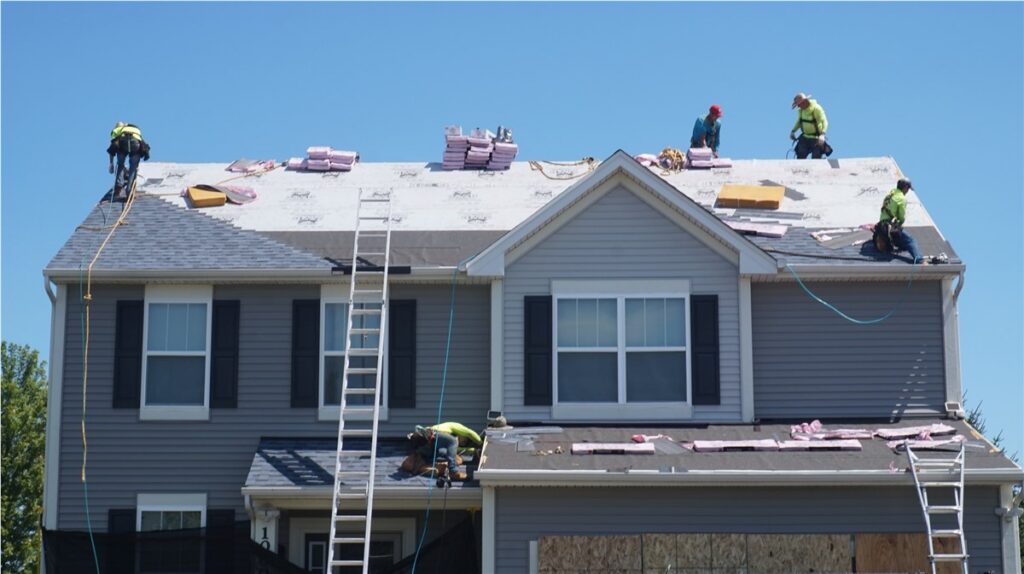
Most roofs don’t fail all at once. They wear down quietly for years, and by the time water shows up on a ceiling, the damage has usually been building for a while.
The good news is that a roof gives you plenty of warning first. You just have to know what you’re looking at.
Here are seven signs your roof is nearing the end of its life — and why it pays to act on them before a small problem becomes an emergency.
1. Your roof is 20 to 30 years old
Most asphalt shingle roofs last 20 to 30 years. Where yours lands in that range depends on the quality of the original materials, how well your attic is ventilated, and how much wind, rain, and sun the roof takes.
If you know your roof is in that window, start planning. Age by itself isn’t an emergency, but it does mean the clock has started — and replacing a roof on your terms is far easier than replacing one after a leak forces the issue.
Not sure how old your roof is? A building permit, a past home inspection report, or your closing documents will usually tell you.
2. Visible shingle damage
Every shingle roof breaks down eventually. Midwest weather speeds it up — freeze-thaw cycles, hail, summer heat, and high wind all take their turn.
Walk your property and look for:
- Shingles curling at the edges or lifting away from the roof
- Cracked or split shingles
- Missing shingles, especially along ridges and edges
- Bald patches where the protective granules have worn off
- Granules collecting in your gutters or below the downspouts
A few damaged shingles is a repair. Damage spread across multiple slopes usually means the roof as a system is finished. If you’re not sure which side of that line you’re on, our breakdown of roof replacement vs. repair walks through it.
3. Leaks or water stains inside the house
Brown rings on a ceiling, discoloration running down a wall, or a damp smell in the attic all point the same direction. Water is getting past the roof.
This is the sign that gets expensive fastest. Water doesn’t stop at the shingles — it moves into decking, insulation, drywall, and framing. A leak left alone for a season can cost more to repair than the roof would have cost to replace.
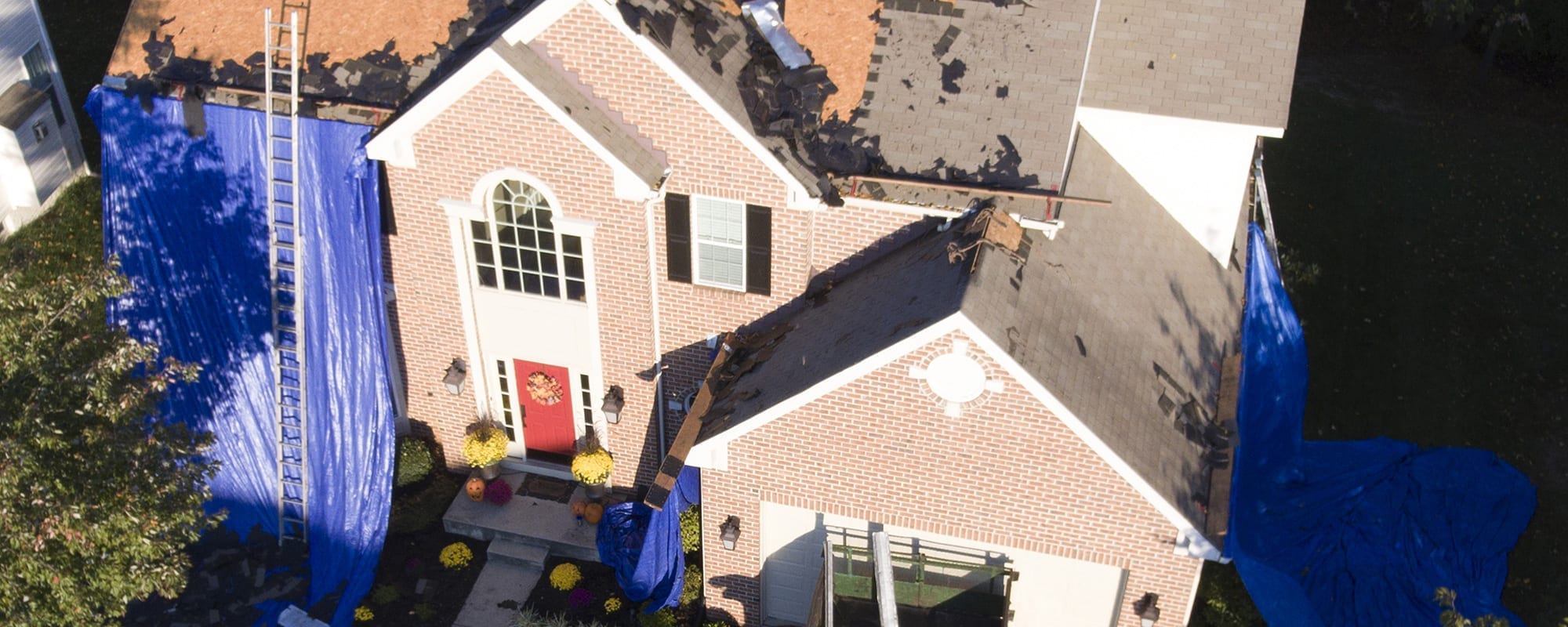
If you’re seeing active leaks, treat it as urgent rather than something to keep an eye on.
4. It looks old from the street
You can learn a lot about a roof without a ladder. Stand at the curb on a clear day and look at it.
Signs of an aging roof you can spot from the ground:
- Uneven or patchy color across the slopes
- Dark streaking or blotchy discoloration
- Any sag or dip in the roofline
- A dull, weathered look next to newer roofs on the street
Sagging deserves attention right away. That usually points to a decking or structural problem, not just worn shingles. Our spring roof maintenance checklist covers what else to look for from the ground.
5. Your neighbors are replacing theirs
This one surprises people, but in an established neighborhood it’s one of the more reliable signals there is.
Homes in the same subdivision usually went up within a year or two of each other, with the same roofing materials, installed by the same crews, sitting under the same weather ever since. When several roofs on your street start coming off, yours is very likely on the same schedule.
6. Rising heating and cooling bills
A roof isn’t just shingles. It’s a system that includes the decking, underlayment, flashing, and — critically — attic ventilation.
As that system ages, ventilation and insulation performance tend to slip with it. Heat gets trapped in the attic through the summer, moisture builds up through the winter, and your furnace and air conditioner work harder to keep up.
Energy bills climb for plenty of reasons, so this isn’t a sign on its own. But if your bills are creeping up and your roof is already past twenty years, the two are often connected — and correcting ventilation during a replacement costs far less than tackling it as a separate project later.
7. You’re planning to stay in the home long term
This one isn’t damage you can see. It’s a question of timing.
If you expect to be in your home another ten years or more, you’re going to replace the roof at some point regardless. Doing it before a failure means you pick the materials, you pick the schedule, and you don’t pay for interior repairs on top of the roof itself.
And if you end up selling sooner than planned, a recent roof is one of the few improvements that buyers and home inspectors reliably notice.
Why planning ahead beats waiting for a leak
Most homeowners call a roofer for the first time when water is already coming in. That works — but it’s the most expensive and most stressful way to end up with a new roof.
Replacing on your own schedule gives you:
- Time to compare materials and choose what actually fits your home and budget, including whether metal makes more sense than asphalt
- Control over when the work happens, instead of scrambling during a storm week
- No interior damage to repair alongside the roof
- Room to sort out financing without pressure
A roof replacement is a planned investment when you’re ahead of it and an emergency when you’re not. The difference usually comes down to a few months of paying attention.
Get a straight answer about your roof
You don’t have to guess. Allied Exteriors provides free, no-obligation roof assessments for homeowners across Fort Wayne and northeast Indiana. We’ll tell you what shape your roof is in and roughly how much life it has left — whether that means replacing it now or checking back in a few years.
Schedule your free roof assessment, or browse our recent roofing projects to see the work firsthand.